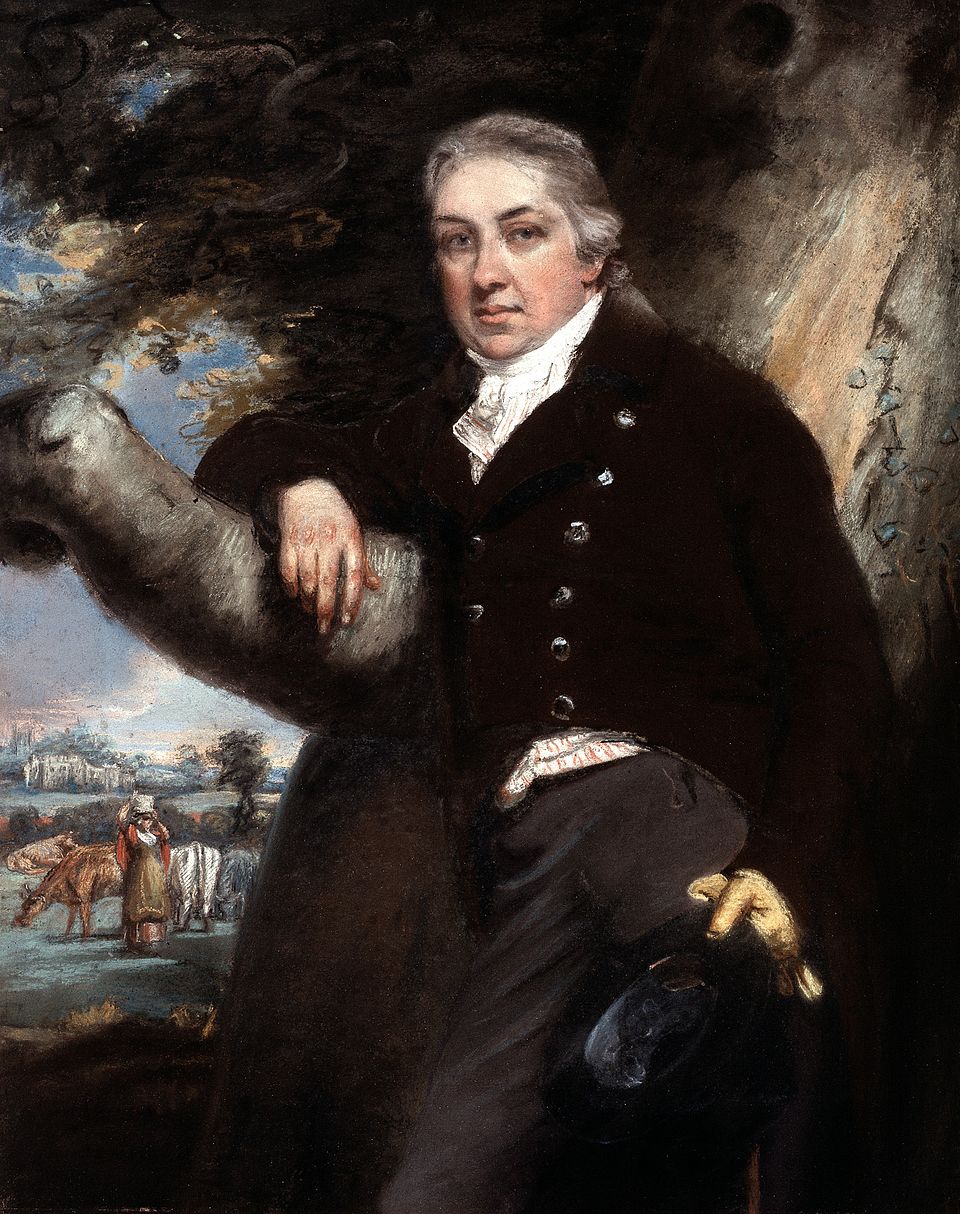
Norman Borlaug

TL;DR: The scientist who saved a billion lives from starvation.
The Coming Famine
In the 1960s, scientists predicted mass global famine. The population was exploding, and traditional farming couldn't keep up. India and Pakistan were on the brink of starvation. Norman Borlaug, an American agronomist working in Mexico, had been quietly developing a new type of wheat: a high-yield, disease-resistant, semi-dwarf variety.
The Green Revolution
Borlaug faced immense bureaucracy and war to get his seeds to Asia. He often worked in the fields while artillery shells fired overhead. He convinced the governments of India and Pakistan to adopt his new farming techniques. The results were immediate and staggering. Wheat yields doubled, then tripled.
A Billion Lives
Borlaug's work, known as the 'Green Revolution,' is credited with saving over one billion people from starvation. He won the Nobel Peace Prize in 1970. He is widely considered to have saved more lives than any other human being in history, yet he remained a humble scientist who worked in the fields until his death.
The World Without Him
If Norman Borlaug had not developed his wheat varieties, the Malthusian predictions of the 1960s would likely have come true. India and Pakistan would have faced catastrophic famines in the 1970s, potentially destabilizing the entire region and leading to wars over resources. The global population today would be significantly smaller, and hunger would be a far more prevalent reality for billions.